All Posts By

Adrankone

What Happens When You Walk Into Your First Acting Class?

By Blog No Comments

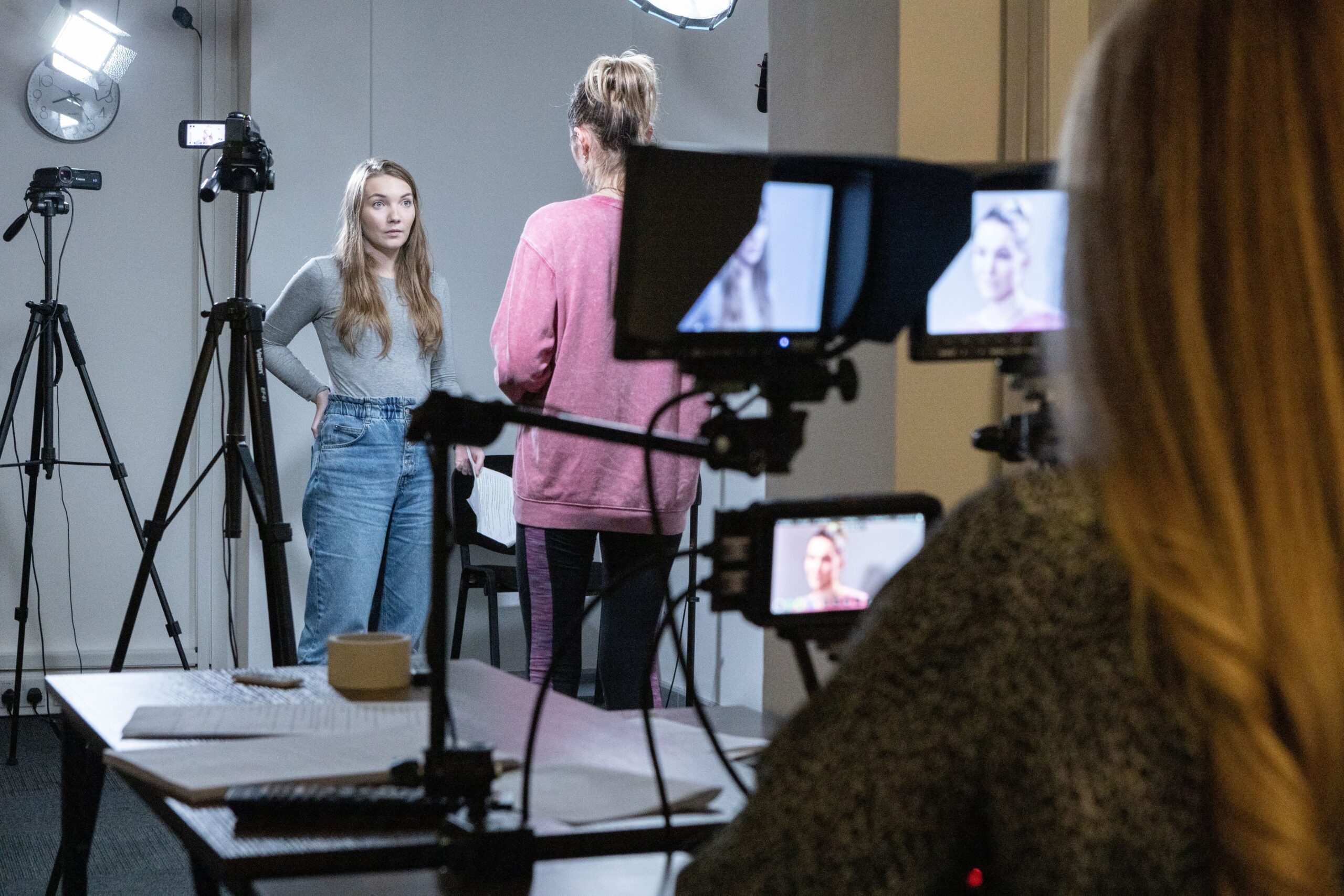
Walking into your first acting class can feel nerve-wracking, but it’s usually much more relaxed than people expect. If you’ve been thinking about trying acting, you might be wondering what that first class is really like. 

Adult acting classes are designed to ease you in, and build your confidence. Here’s what will happen in a typical first lesson. 

A relaxed and welcoming start

Most classes begin with simple introductions, giving everyone a chance to share their name and a little about why they’re there. You’ll quickly realise that you’re surrounded by people in the same position: curious, slightly nervous, and excited to try something new.

Warm-ups that break the ice

Before jumping into scenes, you’ll typically start with warm-up exercises. These might include light movement, voice work, or quick improvisation games. They’re designed to help you loosen up, get out of your head, and start connecting with others in the room.

These exercises often feel fun and a bit silly, and that’s the point. They help remove self-consciousness and build confidence quickly.

Your first taste of acting

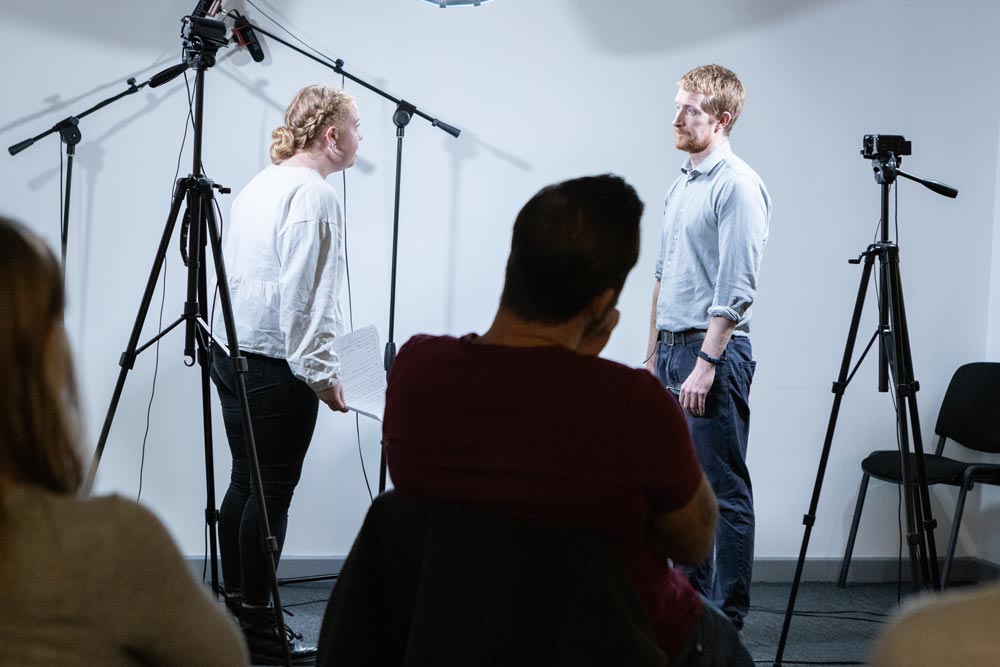
You’ll likely move on to simple acting tasks, such as short improvisations or working with a few lines of dialogue. Don’t worry; no one expects a flawless performance. The focus is on trying things out, exploring emotions, and getting comfortable performing in front of others.

Tutors will guide you through the process, offering encouragement and gentle direction to help you improve.

Building confidence from day one

By the end of your first class, you’ll likely feel a sense of achievement. What felt intimidating at the start becomes enjoyable surprisingly quickly.

Most people leave their first session thinking: “That wasn’t as scary as I thought.” There’s no pressure to be perfect; it’s all about learning to listen, adapt, and open your heart and mind to new experiences. 

TV acting classes

What Skills Do Successful TV Actors All Have In Common?

By Blog No Comments

Many people assume that successful TV actors simply have natural talent, but the truth is that most great performers share a set of learnable skills.  

Whether you’re a complete novice or looking to improve your screen skills with TV acting classes, understanding what successful TV actors do well can help you focus your training in the right areas.

Natural on-camera presence

Successful TV actors know how to appear natural on screen. Unlike stage acting, where movements and expressions must reach the back row, television requires subtlety. 

Small facial reactions, quiet emotional shifts, and genuine eye contact often say more than dramatic gestures. Great screen actors learn how to listen and react truthfully, rather than simply delivering lines. 

Strong script interpretation

Another common skill among successful TV actors is the ability to quickly understand a script and character. Television productions move fast, so actors must grasp the tone, motivation, and emotional beats of a scene without weeks of rehearsal.

This means analysing dialogue, understanding what the character wants, and making believable choices. Actors who can bring depth to even small roles often stand out during auditions and filming.

Adaptability and professionalism

TV sets can be fast-paced and unpredictable. Scenes may change quickly, scripts can be rewritten, and actors may need to adjust their performance with little notice.

Actors who succeed on television tend to be adaptable, focused, and easy to work with. Directors and casting teams value performers who stay professional, collaborate well, and respond positively to feedback.

Ongoing training and development

Even experienced actors continue to train and refine their craft. Acting classes help performers practise screen techniques, build confidence, and stay sharp between auditions.

For aspiring actors, regular training is one of the best ways to develop the practical skills needed for TV roles and build the confidence to pursue opportunities in the industry.

acting classes - film acting breakthrough

Can Acting Be A Real Career Or Should It Stay A Side Hustle?

By Blog No Comments

For many aspiring actors, this is the big question. Is acting something you can realistically build into a career, or is it better kept alongside a “proper job”? The truth sits somewhere in the middle, and for most people, it changes over time.

What does a real acting career mean anyway?

A real acting career doesn’t usually mean instant fame or one breakout role. For most working actors, it looks like a mix of TV roles, commercials, short films and voice work, often alongside other creative or flexible jobs. 

Consistency, not celebrity, is what defines a sustainable acting career in the end. 

Why many actors start with acting as a side hustle

Early on, acting works best as a side hustle. Auditions are unpredictable, and paid roles can be sporadic. Keeping another source of income removes pressure and allows you to choose roles that help you grow, rather than taking everything out of fear.

This approach is common, and sensible, especially while you’re training and building experience.

How training shifts acting from hobby to career

This is where acting classes in Liverpool (and across the North) play a key role. Professional training builds:

  • On-camera confidence
  • Strong audition technique
  • Industry awareness and discipline

As skills improve and bookings become more regular, acting can naturally take up more space in your life.

When does acting become more than a side hustle?

There’s no fixed moment, but many actors notice a shift when auditions feel familiar, callbacks increase and paid work becomes more consistent. At that point, acting may still sit alongside other work, but it’s no longer just a hobby.

For most actors, the best path is both. Start with acting as a side hustle, train seriously, stay flexible, and let momentum decide what it becomes.

TV acting classes manchester

What Skills Do Casting Directors Notice First in New Screen Actors?

By Blog No Comments

When casting directors watch self-tapes or auditions, they’re not expecting perfection, especially from new actors. What they are looking for are a few key skills that signal potential, professionalism and trainability.

The ability to listen and react naturally

One of the first things casting directors notice is whether an actor is actually listening. Screen acting isn’t about delivering lines perfectly; it’s about responding truthfully in the moment. 

Actors who react naturally, rather than planning every beat, feel more believable on camera straight away.

Comfort with stillness and subtlety

On screen, less really is more. Casting directors quickly spot actors who can stay still, relaxed and present without overacting. Tiny shifts in expression often read louder than big gestures, and new actors who understand this stand out for the right reasons.

Authentic emotional connection

You don’t need extreme emotions, but you do need honesty. Casting directors look for a genuine emotional connection to the scene, even in short audition sides. Actors who can ground their performance in something real feel watchable, even if they’re inexperienced.

Ability to take direction

Trainability matters. Casting directors often remember actors who adjust quickly when given a note. If you can take direction without getting flustered or defensive, you instantly become easier to work with – a huge plus in fast-moving TV productions.

Strong self-tape basics

For many new actors, self-tapes are the first impression. Clean framing, clear sound, good eyelines and a simple setup show professionalism. Casting directors notice when the technical side doesn’t distract from the performance.

Confidence without ego

Finally, casting directors respond well to quiet confidence. Being prepared, open and grounded goes a long way. You don’t need to “prove” anything: you just need to show up, do the work and be present.

Why these skills matter early on

These skills signal potential. With solid foundations and the right training, they’re often what turn first auditions into callbacks. 

Our TV acting classes in Manchester are tailored to help you develop all of these qualities, and much more. 

Shooting movie. Second assistant camera holding clapperboard near video camera in front of happy family (actors) at home (film set)

How Long Does It Take To Get Comfortable Acting On Camera?

By Blog No Comments

If you’re new to screen acting, this is one of the most common (and completely valid) questions people ask before signing up for classes. As with most things, the answer depends on multiple factors. However, it’s probably not as long as you might think.

The first few weeks: feeling awkward is normal

Almost everyone feels strange on camera at first. You’re suddenly aware of your face, your voice, your hands… everything. This isn’t a lack of talent; it’s just unfamiliarity. Acting on camera asks you to do less, not more, and that takes adjustment.

Most beginners start to relax after two to three weeks of regular screen acting classes, once the camera stops feeling like a spotlight and starts feeling like a tool.

One to three months: building confidence and control

With consistent training, many actors notice a real shift within the first one to three months. You begin to understand:

  • How subtle your performance needs to be for TV
  • Where to focus your attention in a scene
  • How to stay present instead of being performative

This is usually the point where actors stop worrying about how they look and start concentrating on telling the story.

Three to six months: feeling natural on camera

For most people, feeling genuinely comfortable on camera happens around the three to six month mark. By now, you’ve likely:

  • Watched back multiple performances
  • Received constructive, specific feedback
  • Worked on different scene styles and emotions

The camera starts to feel familiar rather than intimidating, and that’s when performances become believable.

Can you learn camera skills faster?

Progress comes faster when training includes:

  • Regular on-camera practice
  • Playback and feedback
  • Industry-relevant scenes and scripts

Casual practice helps, but structured screen acting training makes a huge difference. Our TV acting classes in Manchester can provide you with the tools and guidance to act with ease and naturalness on screen.   

With the right support, most actors are surprised by how quickly confidence starts to grow.

acting classes in Liverpool -practicing vocab

5 Myths About Becoming An Actor (That Might Be Holding You Back)

By Blog No Comments

If you’ve ever thought about acting but talked yourself out of it, chances are one of these myths got in the way. 

So, let’s clear a few things up, because acting in 2026 looks very different from the stereotypes.

Myth 1: You have to start young

This one stops more people than almost anything else. The truth is that casting directors are constantly looking for real people of all ages. Many working screen actors didn’t start training until their twenties, thirties or later.

Myth 2: You must move to London

While London is a major hub, it’s far from the only place opportunities exist. The North of England has a growing TV, film and commercial scene, and regional talent is in demand more than ever.

Myth 3: Acting is only for extroverts

Some of the best screen performances come from quieter, more thoughtful actors. Acting for TV is about truth and connection, not being the loudest person in the room.

Myth 4: You need drama school to succeed

Full-time drama school is one route, but certainly not the only one. Many actors build skills, confidence and credits through part-time screen acting classes that fit around real life.

Myth 5: Acting classes are intimidating

Good actor training environments are supportive, practical and fun. They’re designed to help you grow at your own pace, not throw you in at the deep end.

The reality

Acting isn’t about being “discovered”: it’s about learning, practising and putting yourself in the right rooms.

What can you do if you’re thinking of giving acting a go?

If you’re curious about acting and want flexible, supportive training, our acting classes in Leeds are designed for aspiring actors ready to take that first step.

acting classes in Leeds

Is Acting Right for You? 7 Signs You Should Try An Acting Class In 2026

By Blog No Comments

If you’ve ever wondered whether acting might be for you, you’re not alone. Every year, hundreds of people across Manchester and Liverpool step into their first acting class as adults.

At first, new students are often nervous, excited, and not totally sure what to expect, but most of them quickly realise they should’ve started sooner. So, here are seven simple signs that 2026 might be your year to give screen acting a go.

1. You’re always quoting TV shows

If you’ve ever reenacted a scene from Peaky Blinders or Line of Duty for absolutely no reason… that’s a clue.

2. You want something creative outside work

A lot of adult beginners join because their day job is all spreadsheets and no spark. Acting gives you permission to play again.

3. People tell you you’re “animated”

Maybe you tell great stories, or are naturally expressive and don’t hide your emotions under a bushel. All excellent starting points for screen acting.

4. You’re obsessed with behind-the-scenes content

If you spend more time watching cast interviews than the actual show, it might be time to get on the other side of the camera.

5. You want more confidence

Nearly everyone who joins an acting class wants to feel more comfortable being seen. On-camera training builds confidence fast, giving you invaluable life skills beyond the screen. 

6. You’re curious about TV and film casting in the north

Manchester and Liverpool are booming filming hubs. From BBC dramas to indie films, opportunities for new actors are growing fast.

7. You’ve thought about it more than once

This is the big one. If the idea of trying out your acting chops keeps popping into your mind, that’s your sign.

If this hits home, join one of our friendly, supportive part-time acting classes in Liverpool and take the first step toward discovering your full potential in 2026.

acting schools in Manchester

Why Is The North A Great Place To Start Your Acting Career?

By Blog No Comments

When most people picture launching an acting career, they think of London’s West End or big Hollywood studios, but things are changing fast. The North of England has become one of the UK’s most exciting places to start acting, especially for TV and screen work. So, what’s behind this northern rise?

Is the north really a hub for TV and film right now?

Yes: Manchester, Leeds and Liverpool have all seen a huge boom in film and television production over the last few years. BBC and ITV both have major studios at MediaCityUK in Salford, Netflix and Amazon are shooting across the region, and Liverpool has become a regular stand-in for New York on blockbuster film sets.

For aspiring actors, that means opportunities are no longer limited to London: the casting calls, filming locations, and production jobs are right here on your doorstep.

Do northern actors have an advantage?

Yes, and it’s not just about location. There’s a real appetite in the industry for authentic regional voices and stories. Casting directors want variety, and the Northern accent has never been more in demand. Whether it’s gritty realism or down-to-earth humour, the North’s unique character shines through on screen.

By training locally at acting schools in Manchester or Liverpool, you’re also more likely to build real connections with local casting agents, independent filmmakers, and other creatives working on projects across the North.

How can you get started in the northern acting scene?

Start small, but start now. Join a part-time acting class for adults in Manchester, Leeds or Liverpool to gain hands-on experience, camera confidence, and insight into how the industry really works. 

You’ll meet like-minded people, learn from working professionals, and take your first steps into one of the most exciting creative scenes in the UK, and all without having to move to London.

How Do You Get Started In Screen Acting With No Experience?

By Blog No Comments

So, you’ve decided to give acting a go: no doubt you’re hugely excited and just a tiny bit apprehensive. Whether you’ve always dreamed of seeing your name in the credits or you’ve just realised how much you love being in front of a camera, starting from scratch can feel daunting. 

Don’t worry: every actor starts somewhere, and there’s plenty you can do right now to get going.

Start with acting classes that fit your life

You don’t need to quit your job or move to London to train. Part-time screen acting classes are the perfect first step, especially if you’re based in Liverpool or Manchester. You’ll learn how to perform naturally on camera, connect emotionally with scripts, and get honest, supportive feedback from working professionals.

Classes also give you structure, accountability, and a safe space to make mistakes (which is exactly how actors grow). Plus, you’ll meet other aspiring performers who are just as excited (and probably just as nervous) as you are. The community aspect is one of the best parts of training.

Build confidence and practice on camera

It’s not about being perfect; it’s about being real. The best way to learn screen acting is to do it often. Record yourself reading short scenes or monologues, experiment with emotion and tone, and get used to watching your performances back.

The more you practice, the more relaxed you’ll feel when the camera starts rolling. Don’t be afraid to play, laugh at your mistakes, and try again. Every take teaches you something new.

Create a simple showreel and apply for roles

Once you’ve built a few strong scenes in class, you can create a short showreel to showcase your talent. It doesn’t need to be fancy;  just well-lit, well-acted clips that show who you are on screen.

From there, start exploring local castings, short films, and student projects. The North’s film scene, especially around Manchester, Leeds, and Liverpool, is buzzing with opportunity. Step by step, you’ll gain experience, credits, and connections.

Do You Need A Conventional Drama Degree To Act On Screen?

By Blog No Comments

If you have always longed to act on screen, but assumed it is impossible because you didn’t head off to drama school for three years when you were 18, don’t give up your dream. You might be surprised to learn that this is certainly not the only path into the industry. Here’s a look at what really matters for success in film and TV acting. 

What are casting directors looking for?

Casting directors are looking for authenticity, versatility, and the ability to take direction on set. While drama schools provide structured training, they’re not the only place to gain these skills. Today, many actors book roles thanks to part-time training, on-camera workshops, and practical experience rather than a traditional three-year course.

Can part-time acting classes really compete?

Yes, they can. Part-time screen acting classes focus on the skills that matter most for TV and film: working with the camera, understanding eyelines, mastering the art of subtlety, and learning to deliver strong self-tape auditions. Because the classes are smaller and more flexible, you also get more individual attention and hands-on practice.

How much does drama school cost?

Drama schools often require a full-time commitment and significant financial investment, depending on the length of the course and the institution. 

For many adults balancing jobs, families, or other studies, this isn’t practical. Part-time training makes it possible to develop professional skills without uprooting your life or breaking the bank.

So, what’s the best way to get into TV acting?

The truth is there’s no single path into the industry. Some actors go to drama school, others train part-time and gain credits through independent films, commercials, or regional productions. What matters most is consistent training, building confidence in front of the camera, and making industry connections.

If you’re passionate about screen acting and want a realistic, flexible way to start, part-time TV acting classes in Manchester could be the perfect next step.